The Rhythm of Silence in Kyoto
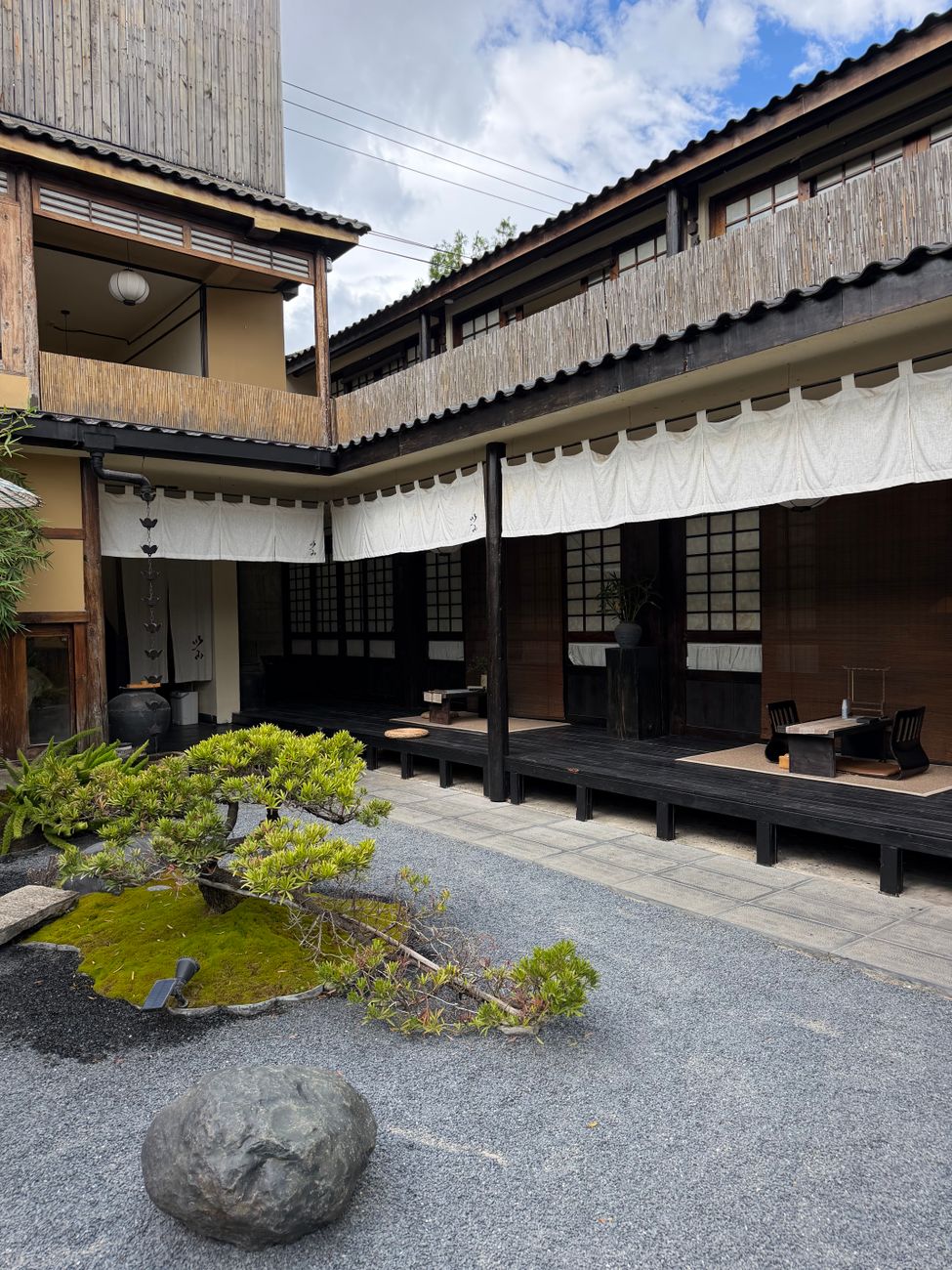
"In Kyoto, silence is not merely the absence of sound; it is a structural element of architectural composition."
As dawn breaks over the Arashiyama hills, the cedar needles rustle under the gentle footsteps of caretakers sweeping gravel pathways. While modern travelers often race between monumental gates, the authentic essence of Kyoto reveals itself only when one slows down.
The Geometry of Stillness
Entering the sub-temples of Daitoku-ji before mid-day visitors arrive is a sensory recalibration. The wooden floorboards, polished with natural oils across centuries, respond softly underfoot. Through open shoji screens, the garden is framed as living canvas: raked white gravel resembling ocean currents, paired with moss-covered stones that evoke distant mountains.
Here, spatial harmony is rooted in the concept of Ma—the conscious awareness of negative space. In western interior design, an empty room is often viewed as unfinished. In classical Japanese construction, emptiness is where life, light, and contemplation breathe.
Craftsmanship in Daily Ritual
Further north, along the narrow alleys of Nishijin, weavers and joiners continue methods unchanged for over two hundred years. In small family ateliers, cypress wood is shaped using hand planes that produce shavings translucent as tissue paper. This devotion to enduring tactile objects serves as a quiet rebuke to the transient nature of modern manufacturing.
Curator’s Note for the Conscious Wanderer
Reserve morning visits for lesser-known zen sanctuaries such as Honen-in and Kennin-ji. Stay in a traditional machiya located along the Kamogawa river, allowing easy pedestrian exploration during twilight hours.
When evening descends, the smell of roasted green tea and simmering dashi broth floats through wooden facades. Kyoto reminds us that travel is not about collecting panoramas, but about allowing one's perception to be quietly reshaped.