Tuscan Terroir & Slow Olive Groves
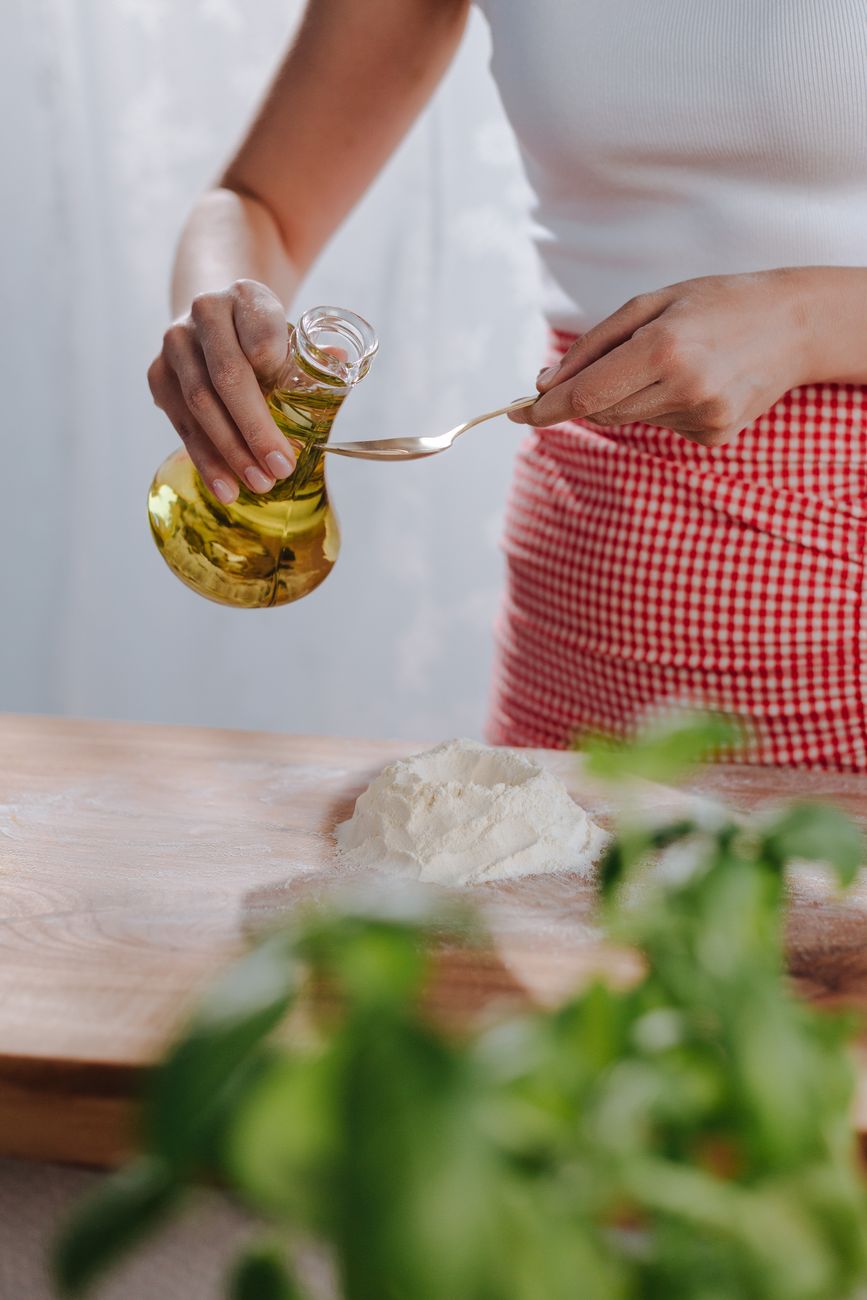
"Good olive oil carries the mineral signature of the soil, the dry summer heat, and centuries of agricultural intuition."
Across the gentle limestone curves of the Val d'Orcia, olive branches shimmer like silver lace in the late afternoon sun. In late autumn, these hills become a stage for one of Italy’s most demanding yet rewarding agricultural traditions: the hand-harvest of Frantoio and Moraiolo olives.
The Stone Press & The Green Gold
Modern industrial production prioritizes sheer volume, running automated centrifuges at higher heat that strip delicate polyphenols. By contrast, at the family frantoio we visited near Pienza, the process remains strictly mechanical, low-temperature, and paced by patient hands.
As the emerald green oil trickles into dark glass carafes, the air fills with an intense aroma of cut grass, artichoke leaf, and wild herbs. Tasted atop a toasted slice of sourdough bread rubbed with fresh garlic, the sensation is peppery, rich, and unmistakably connected to the land.
Preserving Vernacular Gastronomy
Slow travel through Tuscany is fundamentally an exercise in tasting patience. The regional cuisine does not rely on elaborate techniques or exotic imports; it relies on seasonal ingredients harvested within a five-kilometer radius. When travelers engage with these small producers directly, they support the ongoing stewardship of ancestral landscapes.
Curator’s Note for the Conscious Wanderer
Plan visits during the late October harvest season. Rent an apartment inside a restored stone podere surrounded by cypress lines, and explore local village markets in Montepulciano and Montalcino.
Leaving the grove as dusk settled over the rolling fields, one carries away not just culinary memories, but deep reverence for the agrarian patience sustaining European heritage.